


45+ YearsServing Utah commercial clients
ThousandsCommercial projects completed
In-houseSpiral & rectangular duct fabrication
24/7Emergency service, Wasatch Front

HVAC, plumbing, controls, and fabrication under one contract — locally owned since 1979, with a certification portfolio most regional contractors can't match. One accountable team, no finger-pointing, straight answers.

See why teams choose us → About Salmon MechanicalOur story and values since 1979 Recent Commercial WorkProjects across Utah's Wasatch Front Work with UsCareer opportunities at Salmon Service LocationsAreas we serve across Utah Meet the TeamThe team keeping Utah's commercial mechanical systems running
Call 801-217-9812 Request a Bid

Our Experts Are A Call Away

Contact Us


Since 1979, Salmon Mechanical has been helping customers install, service, and maintain HVAC, plumbing, and building automation systems.

CALL801-217-9812EMAILoffice@salmonmechanical.comVisit1230 N 1300 W STE 5, Centerville, UT 84014
45+ Yearsserving Utah commercial clients
Thousandsof projects completed
In-housespiral & rectangular duct fabrication
Factorycertified service technicians
Trusted by commercial operations across Utah
eBayHiltonKen GarffCustomerCustomer

Systems we service

Every major commercial system, under one contract


45+ years and thousands of Utah projects — hands-on experience across every major commercial system type. Select a system to see how we install, service, and maintain it.

Air Handler

Central air movement, filtration, and conditioning

Air handling units are the heart of a built-up system — fans, coils, filters, dampers, and increasingly variable frequency drives, all in one cabinet feeding the building's duct network. Because an AHU runs close to continuously, small faults compound quickly: a slipping belt, a fouled coil, or an economizer damper stuck in the wrong position quietly costs comfort and energy every hour it goes unnoticed.

Most of the AHUs we work on are older than the buildings' current use. Tenant fit-outs change loads, and a unit sized for a 1990s floor plan often needs rebalancing, new controls, or a coil change rather than full replacement.

What we do

  • Coil cleaning and filter change programs sized to your building's dust and occupancy load
  • Bearing, belt, motor, and VFD service
  • Economizer and damper repair so free cooling actually works
  • Full AHU replacement, rebuild, and retrofit — including rigging in tight mechanical rooms
Request service or a bid

Boiler

Hydronic heat that has to work in January

Boilers carry the entire heating load in hydronic buildings, which along the Wasatch Front means they cannot fail quietly. We service both condensing and non-condensing equipment, and the choice between them matters: condensing boilers only deliver their efficiency advantage when the system's return water temperature is actually low enough, which depends on how the rest of the loop was designed.

A well-maintained boiler plant is mostly about combustion and safeties. Tuning drifts, low-water cutoffs need periodic proving, and near-boiler piping is where a surprising share of failures originate.

What we do

  • Combustion analysis and tuning
  • Safety control testing — low-water cutoff, limits, and interlocks
  • Leak, valve, expansion tank, and near-boiler piping repair
  • Boiler replacement and full plant redesign, including staging and controls

Request service or a bid

Chiller

Central cooling for larger facilities

Air-cooled and water-cooled chillers serve the buildings where packaged equipment can't keep up — larger offices, healthcare, manufacturing, and data-adjacent spaces. Chiller downtime is expensive in a way rooftop downtime usually isn't, so the work skews heavily toward planned maintenance and early fault detection rather than reactive repair.

Two things drive chiller reliability more than anything else: water quality and refrigerant management. Poor loop treatment fouls tubes and erodes capacity gradually enough that nobody notices until a hot week exposes it.

What we do

  • Seasonal start-up, shutdown, and annual service
  • Condenser coil and tube cleaning, with eddy current testing coordinated as needed
  • Refrigerant management, leak repair, and regulatory compliance
  • Chiller replacement and chilled water plant retrofits

Request service or a bid

Dehumidifier

Humidity control where cooling alone won't do it

Some spaces need moisture removed independently of temperature — natatoriums, ice rinks, warehouses storing hygroscopic product, archives, and manufacturing with process tolerances. Running the cooling system harder to dry a space is both expensive and, past a point, ineffective.

The main design decision is refrigerant-based versus desiccant. Refrigerant units are efficient at typical comfort conditions; desiccant systems keep working at low temperatures and low dew points where refrigerant units lose ground.

What we do

  • Load calculation, sizing, and equipment selection
  • Service and repair for refrigerant and desiccant systems
  • Integration with the building automation system so humidity is controlled, not just monitored
  • Replacement and capacity upgrades

Request service or a bid

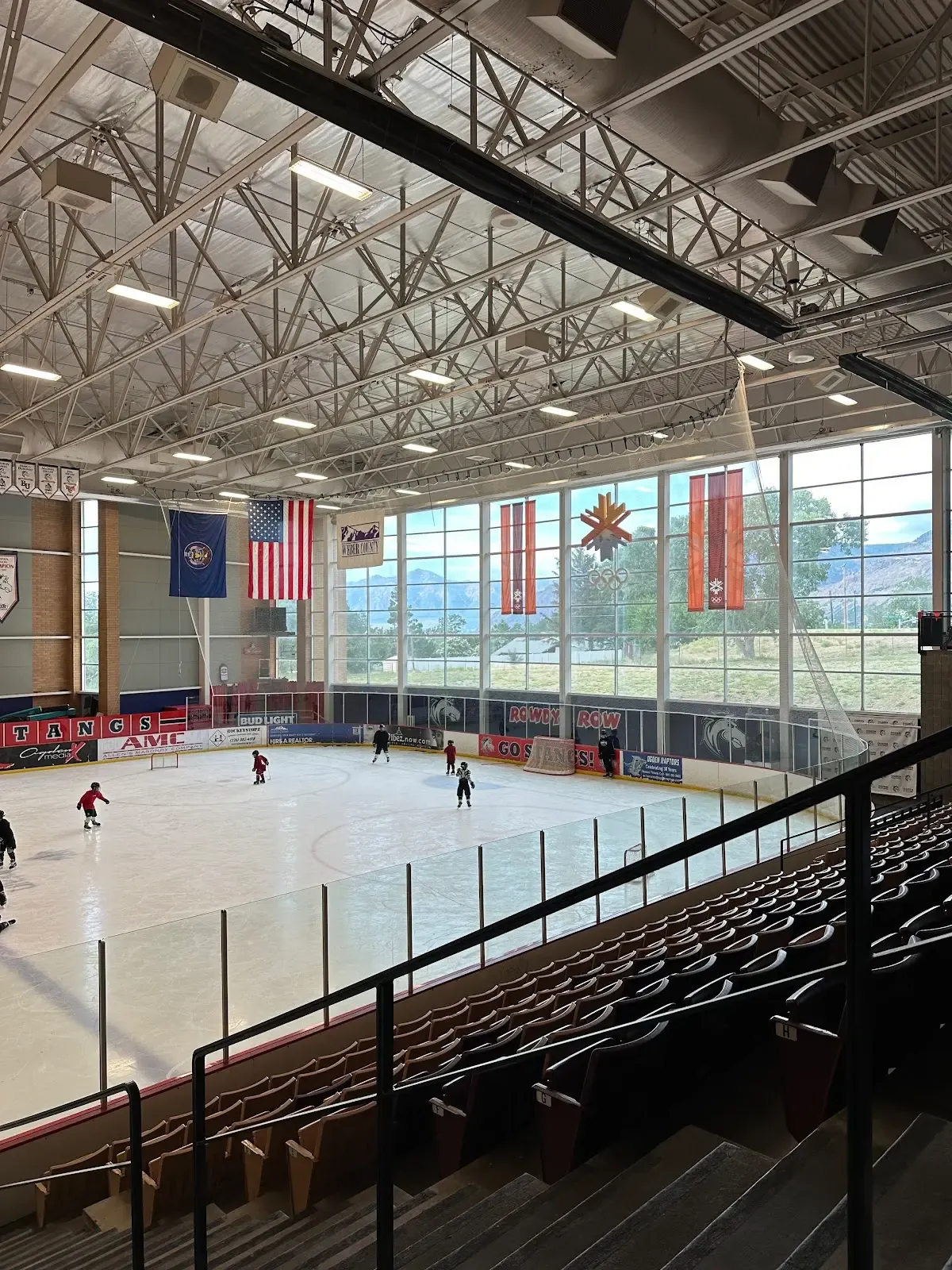
Ogden Ice Sheet, a Salmon Mechanical project

Evap Cooler / Swamp Cooler

Utah's dry climate makes these genuinely efficient

Evaporative cooling works better here than almost anywhere. Our low summer humidity means an evaporative unit can deliver real cooling for a fraction of the energy a DX system would draw, which is why they remain common on Wasatch Front warehouses, shops, and older commercial buildings.

The trade-offs are seasonal and local. These units need genuine spring and fall attention, and Utah's hard water is rough on pads, pumps, and distribution — scale is the single most common reason an evaporative cooler underperforms. They also lose capacity during monsoon-season humidity, which matters if the building's use has changed since it was built.

What we do

  • Spring start-up and fall winterization
  • Pad, pump, float, and bleed-off service, plus scale and water treatment
  • Motor, belt, and distribution repair
  • Honest assessment when a building has outgrown evaporative cooling — including conversion to DX or a hybrid approach

Request service or a bid

New Balance distribution center, a Salmon Mechanical project

Exhaust Fan

Getting air out is half the ventilation equation

Kitchen hoods, restrooms, welding and process exhaust, parking structures — exhaust is usually code-driven and rarely thought about until it stops. The failure most people miss isn't the fan itself: it's the balance. Exhaust without matched make-up air puts the building under negative pressure, which shows up as doors that won't close, whistling, backdrafting combustion appliances, and rooms that never feel right.

When we're called about a comfort complaint near a kitchen or a loading dock, building pressure is one of the first things we measure.

What we do

  • Belt, bearing, motor, and drive service
  • Hood and grease duct coordination, including cleaning-contractor handoffs
  • Pressure testing and balancing against make-up air
  • Fan replacement and code-driven upgrades

Request service or a bid

Fan Coil Unit

Room-level comfort on a central water loop

Fan coil units give individual rooms their own control while the heating and cooling is generated centrally — the standard approach in hotels, multifamily, healthcare, and many office buildings. Two-pipe systems switch the whole building between heating and cooling seasonally; four-pipe systems can do both at once, which matters in buildings with very different loads on different exposures.

At scale, fan coils are as much a logistics problem as a mechanical one. A property with 200 units needs a maintenance program with room access planned around occupancy, not a technician improvising floor by floor.

What we do

  • Scheduled coil, filter, and condensate drain pan cleaning
  • Control valve and actuator replacement
  • Integration with building controls for scheduling and setbacks
  • Unit change-outs staged to minimize room downtime

Request service or a bid

Furnace / AC

Split-system heating and cooling for smaller commercial spaces

Plenty of commercial square footage — tenant suites, small offices, retail, professional space — is conditioned by split systems: a furnace paired with a condensing unit. The equipment family overlaps with residential, but the duty cycle, scheduling expectations, and consequences of downtime are commercial.

The most common thing we correct on these is sizing and staging. Equipment replaced one-for-one over the years often no longer matches how the space is used, which produces short cycling, uneven temperatures, and higher bills than the nameplate efficiency suggests.

What we do

  • Diagnostics and repair for every major brand
  • Preventative maintenance on a schedule that fits your operating hours
  • Replacement with proper load calculation rather than like-for-like guessing
  • Smart thermostats and scheduling so unoccupied hours aren't conditioned

Request service or a bid

Make-Up Air Unit

Replacing what your exhaust takes out

Any building moving significant air out has to bring an equivalent amount back in. Make-up air units do that, and in a Utah winter they have to temper it first — dumping outside air into a commercial kitchen at 15°F creates comfort problems, freeze risk, and equipment that fights itself.

Commercial kitchens are the most common application, but MUA matters anywhere exhaust is heavy: manufacturing, labs, paint booths, and large restrooms. Sizing is a balance calculation, not a rule of thumb.

What we do

  • Sizing and balancing against hood and process exhaust
  • Burner, control, and damper service
  • Freeze protection and low-temperature operation
  • Replacement and new installation coordinated with kitchen equipment

Request service or a bid

Mini Split

Ductless conditioning for spaces the main system can't reach

Mini splits solve a specific problem well: a space that needs independent control, has no practical duct path, or has a load the central system was never designed for. Additions, converted spaces, tenant improvements, and above all server and IT rooms.

Server rooms deserve a specific note. They need cooling year-round, including in January, and a standard unit will not run reliably at low outdoor ambient temperatures. Low-ambient kits are not optional in this climate — they're the difference between equipment that works in winter and equipment that doesn't.

What we do

  • Single-zone and multi-zone installation
  • Low-ambient configurations for IT and server rooms
  • Filter, coil, and condensate maintenance
  • Repair and replacement across major manufacturers

Request service or a bid

Pool Room Unit

Natatorium air that doesn't destroy the building

Indoor pools are the most punishing environment in commercial HVAC. Chloramines — the compounds that give a pool room its smell — are corrosive, and they attack ductwork, fasteners, and structural steel as readily as they irritate swimmers' eyes and lungs. A pool dehumidification unit is doing three jobs at once: protecting the building envelope from condensation, keeping the space comfortable, and keeping air quality tolerable.

Buildings that treat a natatorium unit like ordinary rooftop equipment tend to discover the cost in structure, not in HVAC.

What we do

  • Pool dehumidification unit service, repair, and replacement
  • Corrosion-aware repair using appropriate materials
  • Air distribution correction — keeping supply air off cold surfaces and glazing
  • Coordination with pool chemistry and ventilation strategy

Request service or a bid

PTAC

Through-wall units for hospitality and senior living

Packaged terminal air conditioners are self-contained, one per room, mounted through the exterior wall — the standard in hotels, senior living, and much multifamily. Individually they're simple equipment. The challenge is volume: a property has dozens or hundreds, and guest satisfaction scores track PTAC maintenance more closely than most operators expect.

The parts that get neglected aren't in the chassis. Sleeves corrode, wall seals fail, and drain paths clog, which produces the noise, smell, and water complaints that generate reviews.

What we do

  • Chassis repair, rebuild, and replacement
  • Sleeve and wall seal restoration
  • Property-wide preventative maintenance programs scheduled around occupancy
  • Bulk replacement projects with predictable room-turn timing

Request service or a bid

Pumps

The circulation your hydronic system depends on

Heating water, chilled water, condenser water, and domestic booster pumps are easy to ignore right up until one takes a building's heating or cooling offline entirely. Because they're rotating equipment running long hours, wear is predictable — which makes them one of the better candidates for planned maintenance rather than run-to-failure.

Where we most often find preventable damage is alignment and seals. A coupling that's slightly out of alignment destroys bearings and seals on a schedule, and the replacement pump fails the same way unless the underlying issue is corrected.

What we do

  • Seal, bearing, and coupling replacement
  • Laser alignment and vibration assessment
  • Variable frequency drive installation, programming, and repair
  • Pump replacement and right-sizing for the actual system curve

Request service or a bid

RTU (Rooftop Unit)

The workhorse of commercial HVAC

Most commercial buildings in Utah are conditioned by packaged rooftop units — heating, cooling, and ventilation in a single curb-mounted cabinet. They're durable and serviceable, but they live outdoors through our temperature swings, UV exposure, and snow load, and that shortens the life of everything from belts to cabinet seals.

The component we find failed most often is the economizer. When it works, it provides free cooling using outside air for a significant part of the year in this climate. When it sticks — which is common, and silent — the building pays for mechanical cooling it didn't need, and nobody gets a fault message about it.

What we do

  • Repair and diagnostics for every major brand
  • Economizer repair, calibration, and controls verification
  • Preventative maintenance — belts, filters, coils, refrigerant charge, and electrical
  • Change-outs including curb adapters, crane work, and structural and electrical coordination

Request service or a bid

Tube Heater

Radiant heat for high-bay and open spaces

Radiant tube heaters warm objects and people directly rather than heating the air, which is exactly what you want in a space with high ceilings or doors that open all day. Warehouses, shops, hangars, fleet garages, and manufacturing floors are the typical applications — places where forced-air heating spends most of its energy warming air that immediately leaves or stratifies at the ceiling.

Layout matters more than capacity. A correctly sized system aimed at the wrong work areas still leaves people cold.

What we do

  • Burner, ignition, and control service
  • Venting and combustion air verification
  • Layout design and installation matched to how the space is actually used
  • Replacement and system expansion

Request service or a bid

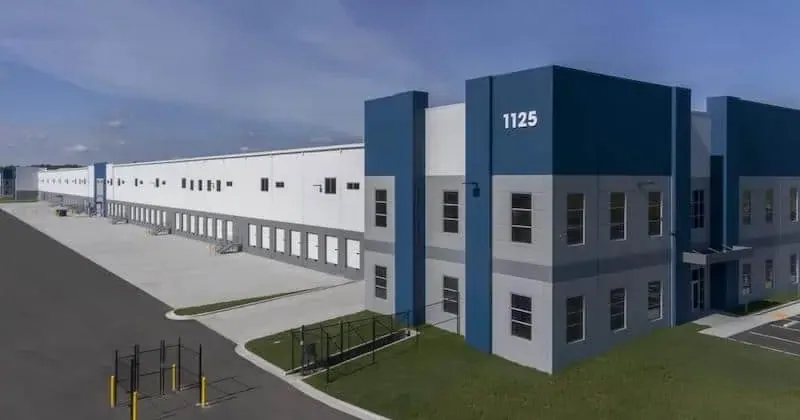
Nucor facility, a Salmon Mechanical project

Unit Heater

Targeted heat for warehouses, garages, and back-of-house

Gas-fired and hydronic unit heaters hang from the structure and heat a defined area — loading docks, garages, stairwells, storage, and mechanical spaces. They're inexpensive to add, which is precisely why they tend to be the most neglected equipment in a building.

Because they're often out of sight, problems surface as a cold zone in December rather than as a maintenance finding in September. A short pre-season check across all of a building's unit heaters is one of the cheaper pieces of insurance available.

What we do

  • Burner, ignition, and heat exchanger inspection
  • Fan and motor service
  • Venting and gas piping verification
  • Replacement and added coverage for cold spots

Request service or a bid

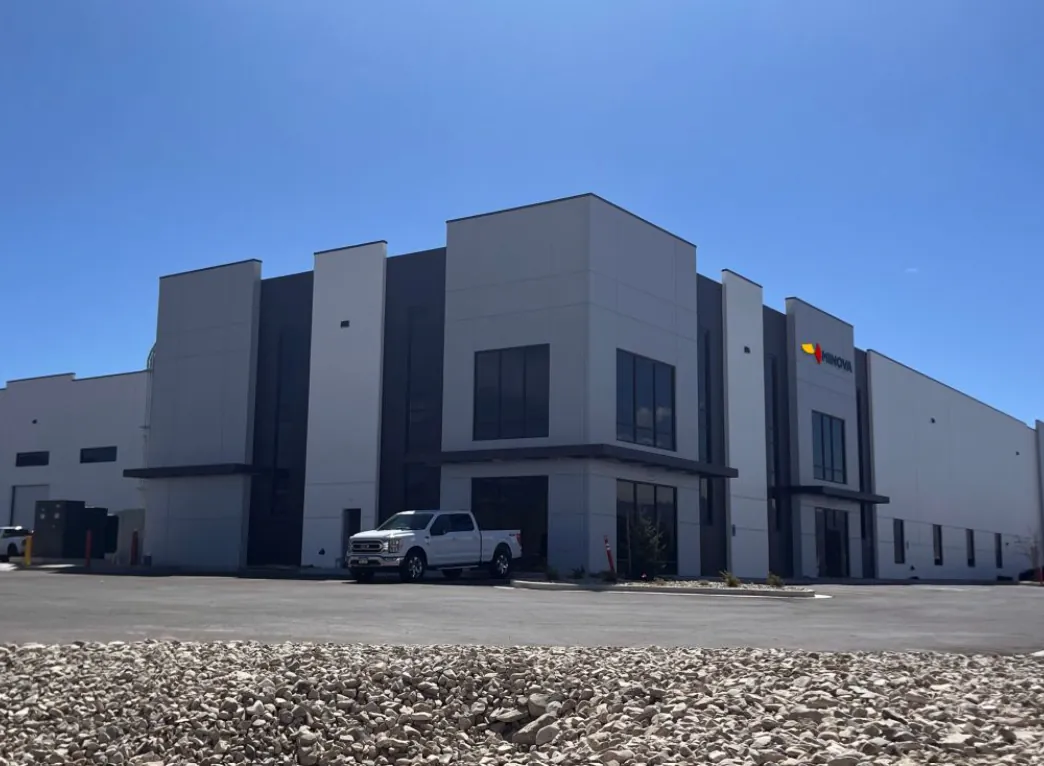
Minova manufacturing facility, a Salmon Mechanical project

VAV

Zone-level control on a central air system

Variable air volume boxes let one central air handler serve many zones by modulating airflow to each — often with a reheat coil for spaces that need warm air while the rest of the building is cooling. It's the dominant approach in mid- and large-size office buildings, and when it's set up well it's efficient and comfortable.

VAV performance depends at least as much on controls and balancing as on hardware. A VAV building with drifting sensors, failed actuators, or boxes stuck at minimum wastes a great deal of energy without generating a single alarm — and simultaneous heating and cooling is the most expensive failure mode in commercial HVAC.

What we do

  • Box, actuator, damper, and reheat coil repair
  • Airflow testing and balancing
  • Controls retrofit and integration — see our building automation capabilities
  • New VAV installation and rezoning for changed floor plans

Request service or a bid

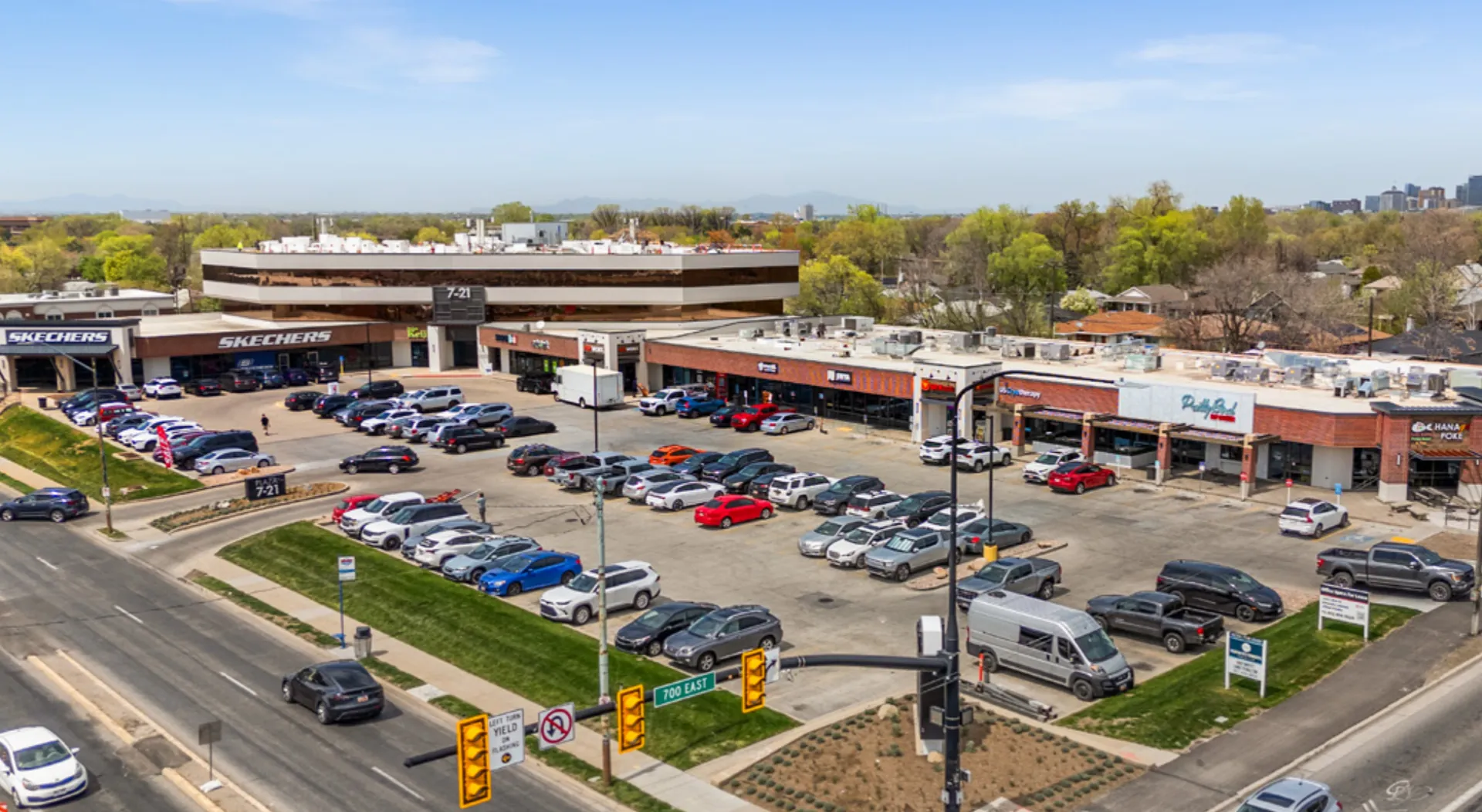
Plaza 721 office building, a Salmon Mechanical project

VTAC

Vertical terminal units where floor space beats wall space

Vertical terminal air conditioners do a similar job to PTACs but stand upright, usually in a closet, and can duct conditioned air to one or two rooms. That buys two things hospitality operators care about: quieter rooms, because the compressor isn't sitting under the window, and better air distribution in suites.

The trade-off is access. Service requires entering the closet and, in some designs, partial disassembly, so maintenance planning matters more than it does for a through-wall unit.

What we do

  • Diagnostics, repair, and component replacement
  • Coil and condensate drain cleaning
  • Thermostat and control upgrades, including property-wide scheduling
  • Unit replacement staged around occupancy

Request service or a bid

VRF / VRV

Simultaneous heating and cooling with serious efficiency

Variable refrigerant flow systems pipe refrigerant to indoor units throughout a building and modulate compressor capacity to match the actual load rather than cycling on and off. Heat recovery configurations go further: they move heat from a zone that needs cooling to a zone that needs heating, which is unusually efficient in buildings with very different loads by exposure or use.

There's one caveat worth knowing before you buy. VRF manufacturers ship closed controls ecosystems, so a building with VRF on one floor and a BMS everywhere else ends up with two systems that can't see each other. We solve that with CoolAutomation, which bridges VRF from virtually any manufacturer into your building automation system — including per-unit energy allocation for tenant billing.

What we do

  • VRF design, installation, and commissioning
  • Service and repair across major manufacturers
  • Integration into your BMS instead of a separate proprietary interface
  • Tenant billing and power distribution for multi-tenant properties

Request service or a bid